

Background
Lifestyle Medicine and Preventive Health are increasingly recognised as essential approaches to address:
- Non-communicable diseases (NCDs)
- Mental health challenges
- Health inequalities
These approaches focus on evidence-based lifestyle interventions, including:
- Nutrition
- Physical activity
- Stress management
- Sleep optimisation
- Social connectedness
A holistic health perspective integrates physical, mental, emotional, and social wellbeing.
MODEL OF CARE: THE CARING4CURE THEORY OF CHANGE
To explore how a community-based startup, CaRing4CuRe, implements Lifestyle Medicine and Holistic Health principles to promote preventive and equitable health outcomes.
AIM / OBJECTIVE
- Case study of CaRing4CuRe startup • Community-based, participatory health model • Theory of Change framework applied
METHOD / APPROACH
- Community health awareness programmes • Lifestyle education workshops •Digital health outreach •Preventive health screening •Culturally sensitive health initiatives
INTERVENTIONS (CORE ACTIVITIES):
The CaRing4CuRe model integrates:
1. Preventive Screening
Early detection and risk assessment
2. Nutrition & Physical Activity Guidance
Healthy eating and active living
3. Mental Wellbeing Support
Stress management, mindfulness, and emotional support
4. Family-Centred Health Promotion
Empowering families for lifelong wellbeing
Central Focus
Holistic, person-centred preventive care with emphasis on:
- Behaviour change • Self-efficacy •Resilience
- Long-term wellbeing
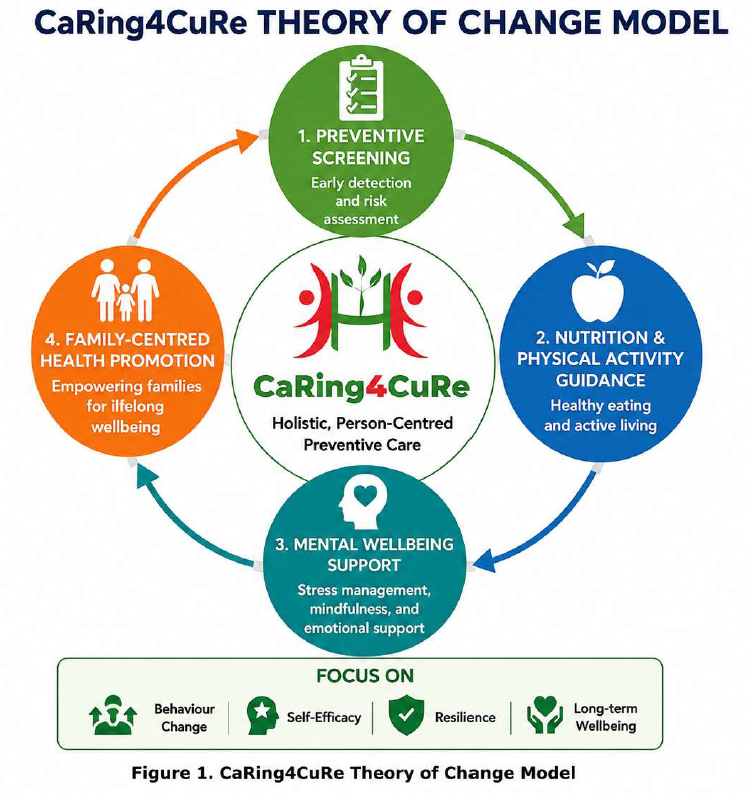
Figure 1. CaRing4CuRe Theory of Change Model
COMMUNITY-BASEDINTERVENTION FRAMEWORK :
Partnerships
Healthcare professionals, academic institutions, and community organisations
Community Engagement
Inclusive, participatory, and culturally sensitive approaches
Health Education
Awareness, capacity building, and lifestyle education
Behaviour Change Support
Coaching, counselling, and follow-up support
Improved Outcomes
Better health, wellbeing, and reduced disease risk
Bridging Clinical Care, Public Health, and Everyday Lives
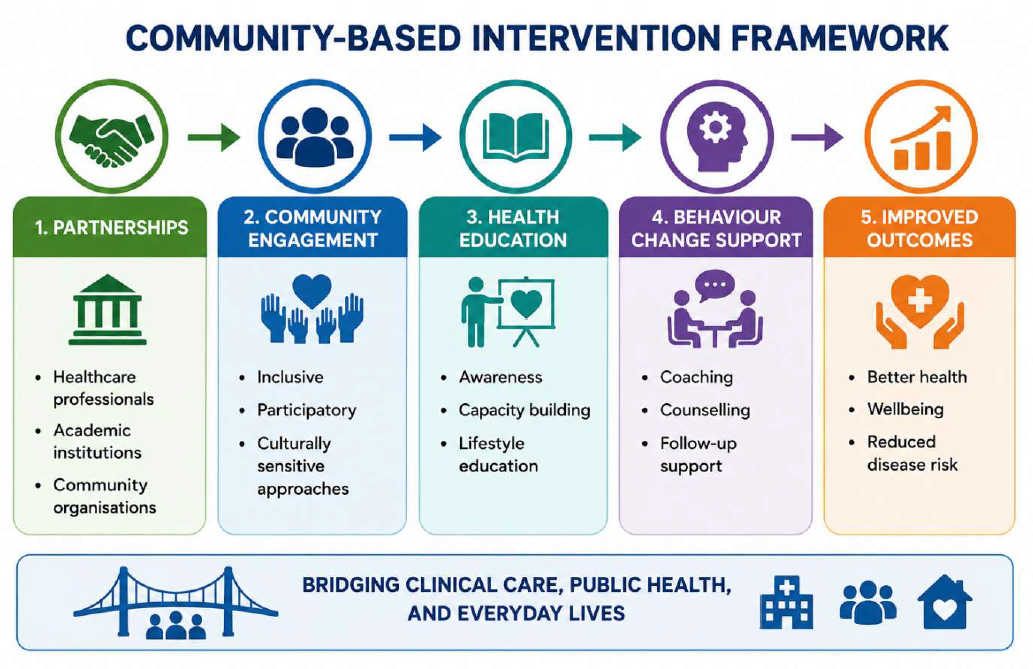
Figure 2. Community-Based Intervention Framework
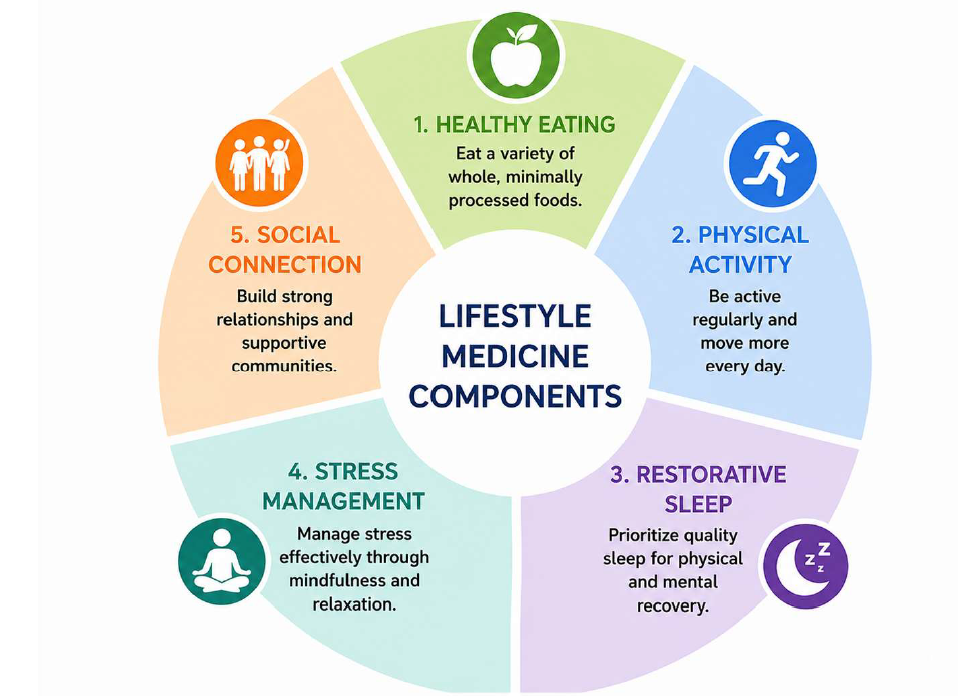
Figure 3. Lifestyle Medicine Components
KEY FINDINGS:
- Bridges gaps between clinical care and community
- Health
- Addresses upstream determinants of health
- Promotes long-term wellbeing and prevention
- Enhances community engagement and empowerment
LIFESTYLE MEDICINE COMPONENTS:
The core pillars of Lifestyle Medicine include:
- Healthy Eating
- Physical Activity
- Restorative Sleep
- Stress Management
- Social Connection
SIGNIFICANCE:
- Demonstrates the role of social entrepreneurship in healthcare
- Supports sustainable and equitable health promotion •Complements existing public health and healthcare systems
- Empowers communities to take charge of their health
CONCLUSION
Startup-led innovations like CaRing4CuRe provide scalable, community-driven solutions for integrating:
- Lifestyle Medicine •Preventive Health
- Holistic Care
These approaches contribute to reducing disease burden and improving population health through inclusive, preventive, and holistic strategies implemented at the community level.
“Care today, prevention for tomorrow, wellbeing for life.” – CaRing4CuRe
REFERENCES
1.Egger G, Binns A, Rossner S. Lifestyle Medicine. Eur J PrevCardiol. 2019;26(1):1-2.
2.World Health Organization. Noncommunicable diseases report 2023. Geneva: WHO; 2023.
3.Katz DL, Frates EP. Lifestyle medicine and health promotion: A new frontier in clinical practice. Ann Fam Med. 2018;16(2):133-137.
4.Rollnick S, Miller WR, Butler CC. Motivational Interviewing in Health Care: Helping Patients Change Behavior. 3rd ed. New York: Guilford Press; 2013.
5.Relevant CaRing4CuRe project documentation and internal reports.