
Background
Women from ethnically diverse communities frequently face barriers to preventative healthcare, including stigma, low symptom awareness, and limited access to culturally relevant health information.[1,3,4]Faith and community settings may provide trusted environments for delivering health education and improving engagement with healthcare services, particularly among underserved populations.[3,4]
- Low awareness of NHS prevention services in the community.[6]
- Core20PLUS5 highlights the need to reduce health inequalities.[2]
- Closing the women’s health gap represents a $1 trillion global opportunity.[5]
The project explored how culturally-aware women’s health education can improve awareness, trust, and healthcare engagement among women from community and faith-based settings.
Methods
ThriveHer.Clinic delivered culturally and faith-aware educational initiatives between August 2025 and February 2026.
Activities included:
- Community workshop at Oadby Community Centre (n = 50)
- Women’s health workshop at Al-Falah Mosque, Birmingham (n = 25)
- Online Ramadan Roots women’s health webinar (n = 110)
- Healthcare Professional (HCP) webinar in collaboration with MAPAS, UK & USA (n ≈ 30)
Evaluation included pre/post surveys and a “Your Voice Matters” community needs assessment survey.[6]Approximately 280womenparticipated across all activities.
Results
Key findings from surveys and feedback included:
- 83.3% planned to make a health behaviour change after sessions.
- 80.6% most requested feature: Islamic health perspective. •54.8% requested culturally sensitive health information.
- 100% wanted health checks offered during sessions. •56.5% reported feeling dismissed or misunderstood by a healthcare professional. •Participants reported increased confidence in recognising red-flag symptoms after workshops. •Awareness of NHS health checks improved following educational sessions.
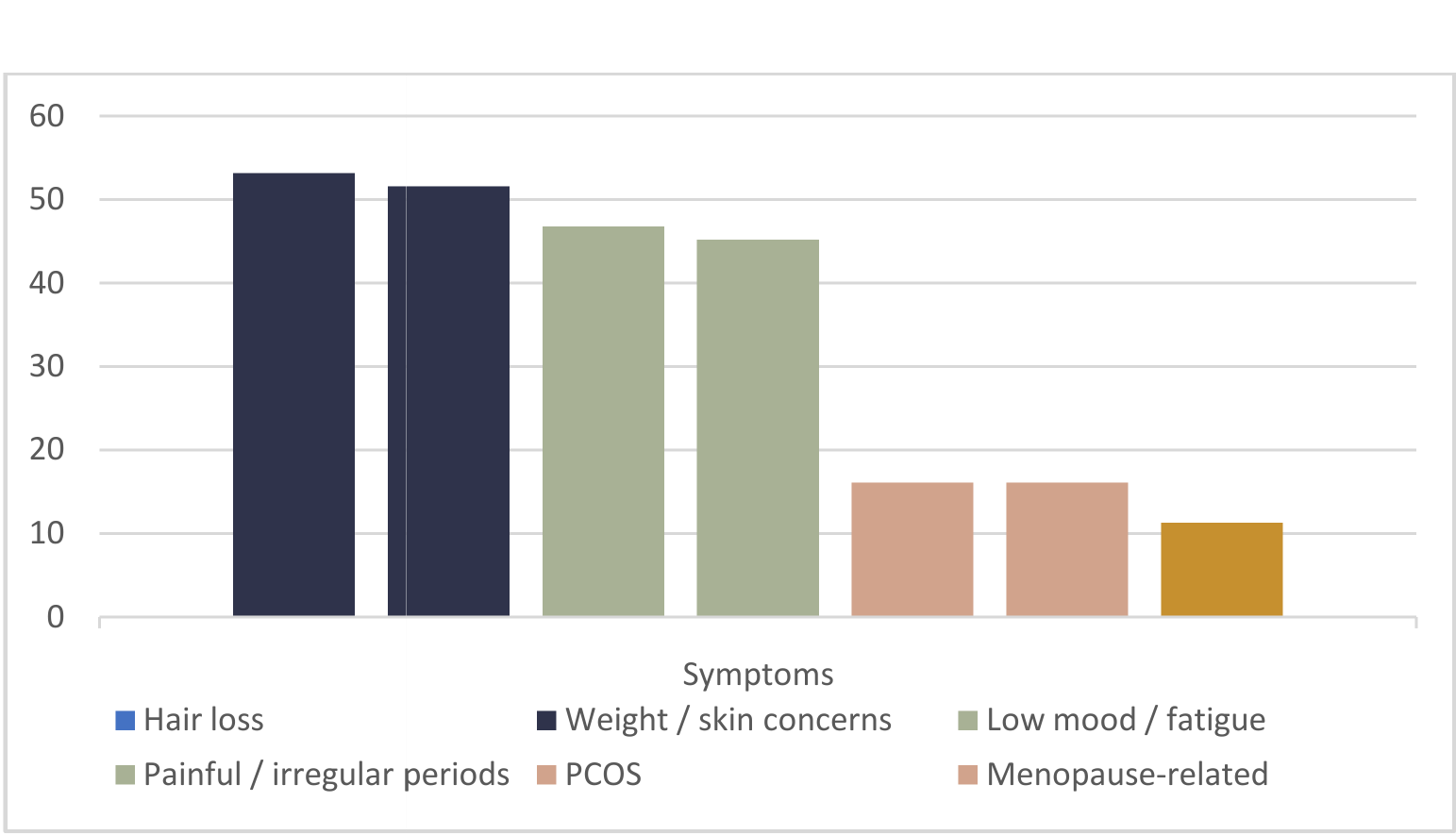
Figure 1. Symptom burden reported in the community survey (n=62)
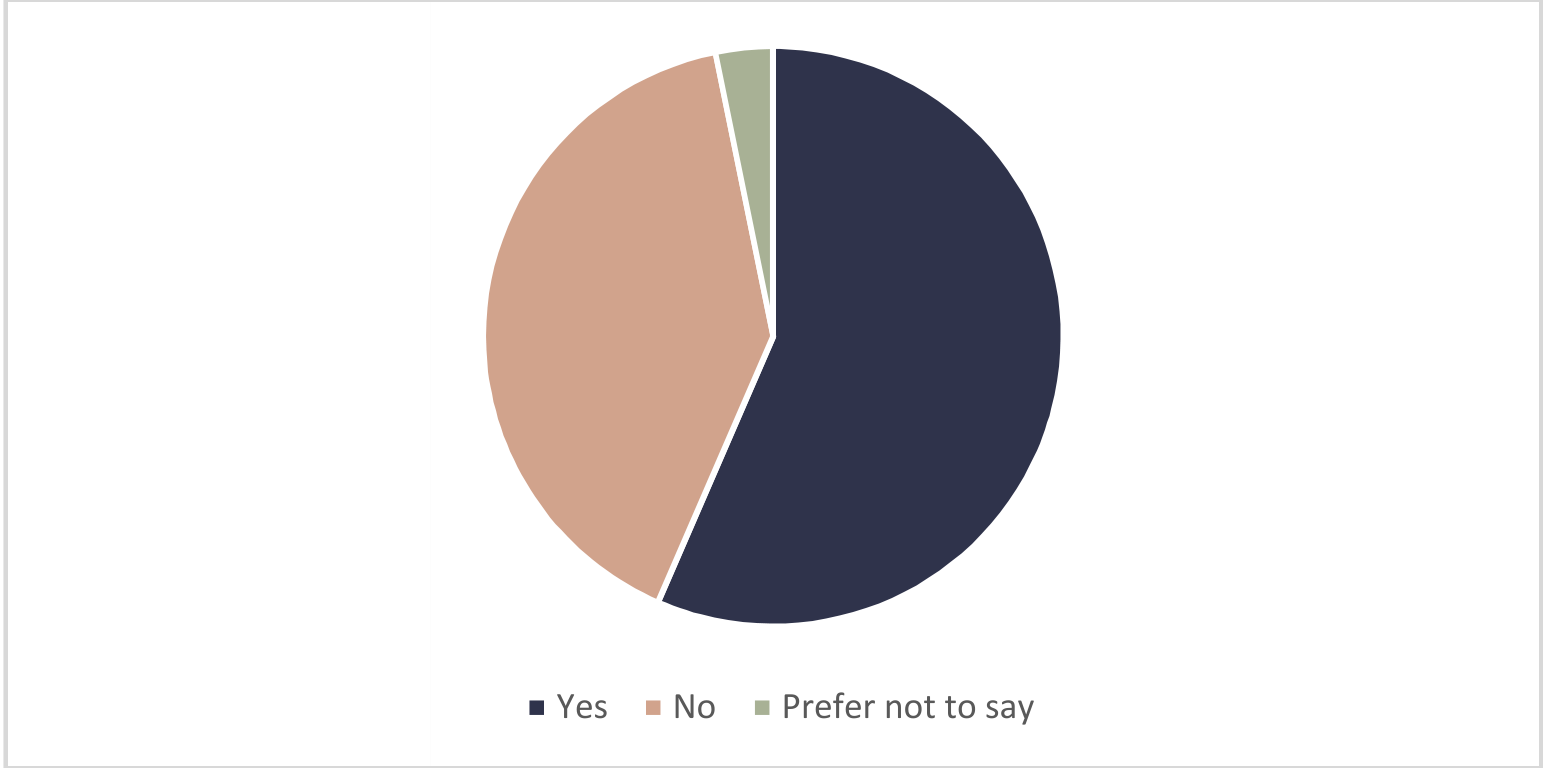
Figure 2. Proportion who felt dismissed or misunderstood by a health professional (n=62)
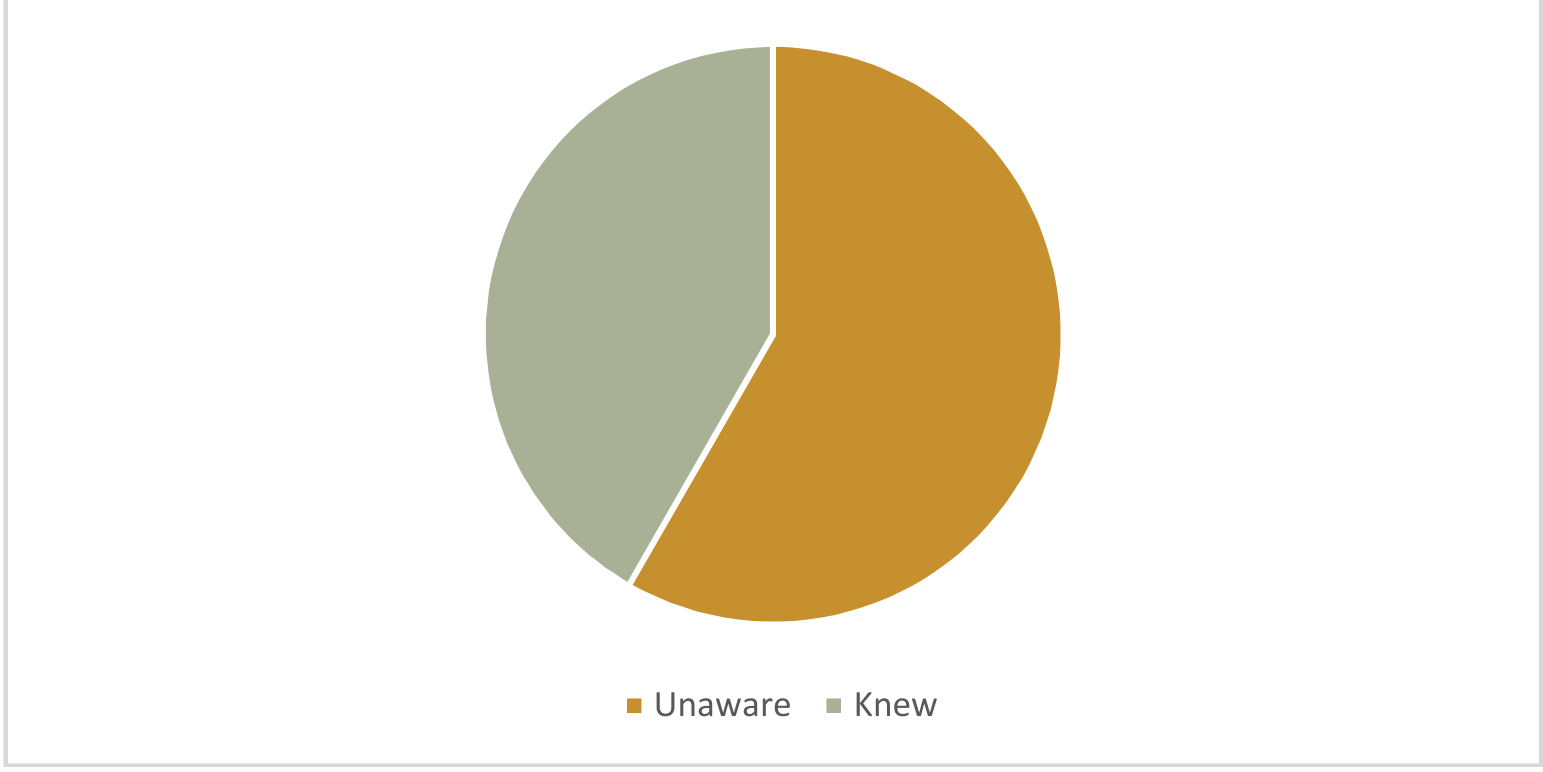
Figure 3. Awareness of NHS Health Checks before the session (n=12)
Community Voices
Selected responses from post-session surveys: [7,8]
“Women’s health concerns are too often dismissed.”
“Listen to the patient better.”
“Training needed for culturally appropriate care.”
“Do not dismiss Muslim women – hear them.”
“Equal access to funding for awareness and health promotion is needed.”
Healthcare Professional Webinar Feedback
Participants described speakers as
- “Competent, credible and confident in delivery”.
- “Very informative webinar –topics directly applicable to clinical practice”.
- “More webinars to provide up-to-date evidence-based practice guidance.”
Service Demand
Requested services and support included:
- Islamic health perspectives(80.6%)
- Doctor-led guidance (64.5%) • One-to-one consultations (64.5%)
- Mobile health platforms (56.5%)
- Culturally sensitive information (54.8%)
Key Message
Culturally and faith-aware women’s health education improves trust, awareness, and engagement with preventative healthcare in underserved women. The findings highlight both an awareness gap regarding NHS services and a trust gap related to dismissal and lack of cultural relevance.
NHS Relevance
The findings support NHS Core20PLUS5 priorities by:
- Improving prevention engagement. [1,3,4]
- Highlightingthe NHS Health Check awareness gap. [6,8]
- Supporting future models combining community education with health checks and digital follow-up.
- Providing scalable community-based models for preventive healthcare delivery.
Future Directions
Future recommendations include:
- Scaling the model through community and digital delivery.
- Integrating simple health checks into future workshops.
- Evaluating long-term impact on service awareness and health behaviours.
- Supporting future grant and NHS partnership applications using this evidence base.
Conclusion
These findings suggest that culturally and faith-aware women’s health education delivered through community, faith, and professional networks is feasible, well-received, and may support behaviour change, knowledge dissemination, and awareness of preventative healthcare pathways among underserved women.
References
- Department of Health and Social Care. Women’s Health Strategy for England. London: DHSC; 2022.
- NHS England. Core20PLUS5: An approach to reducing healthcare inequalities. London: NHS England; 2021.
- Joo JY, Liu MF. Culturally tailored interventions for ethnic minorities: a scoping review. Nurs Open. 2021;8(5):2078–2090.
- Singh H, Cummings E, Mohiuddin S, et al. Community-based culturally tailored education programs. Int J Equity Health. 2023;22:226.
- McKinsey Health Institute. Closing the women’s health gap: a $1 trillion opportunity. McKinsey; 2024.
- ThriveHer Clinic. Your Voice Matters community needs-assessment survey (n=65). ThriveHer Ltd; 2025.
- ThriveHer Clinic. Post-session feedback: From Menstruation to Menopause workshop (n=14). ThriveHer Ltd; 2025–2026.
- ThriveHer Clinic. Post-session feedback: Ramadan Health Workshop (n=12). ThriveHer Ltd; 2026.